Best van access tips for Dartmouth Road Forest Hill removals
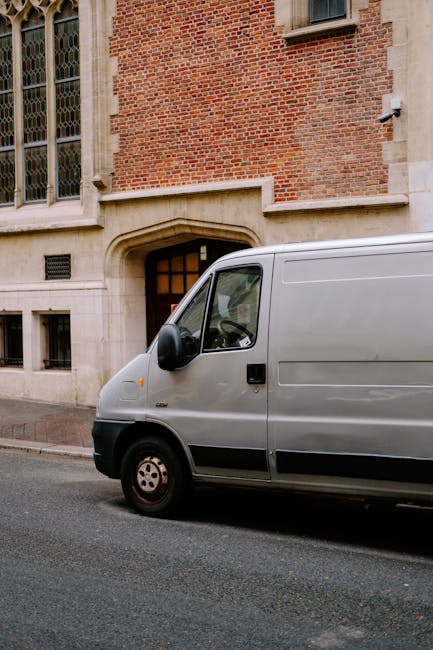
If you are planning a move on Dartmouth Road in Forest Hill, van access can make the difference between a smooth, tidy moving day and a frustrating one with too much carrying, too little space, and a driver doing several awkward three-point turns. The best van access tips for Dartmouth Road Forest Hill removals are not glamorous, but they are exactly what saves time, reduces stress, and protects your furniture from unnecessary handling. In a street like this, where access can change block by block, a little planning goes a long way.
This guide walks through what matters, how van access works in practice, and the simple checks that help you avoid the usual headaches. Whether you are moving a flat, a family home, or a small office, the aim is the same: make the van's job easier so your move feels easier too.
- Why van access matters on Dartmouth Road
- How van access works in real life
- Key benefits and practical advantages
- Who needs these tips and when they help most
- Step-by-step guidance for a smoother load
- Expert tips from the road
- Common mistakes to avoid
- Tools, resources and recommendations
- Law, compliance and best practice
- Options and comparison table
- Real-world example
- Practical checklist
- Conclusion
- Frequently asked questions
Why Best van access tips for Dartmouth Road Forest Hill removals Matters
Van access sounds like a small detail until you are standing outside with boxes in your hands and no sensible place for the vehicle to stop. On Dartmouth Road, access can affect everything from how long the loading takes to how many trips your removal team has to make. It can also affect whether bulky items can be removed safely, or whether they need extra lifting time, more labour, or different vehicle positioning.
That is why planning access is not just a nice extra. It is part of the move itself. Good access helps the crew park sensibly, protect the pavement, keep walk routes short, and work more efficiently. It also helps your move feel calmer. And let's face it, moving day already has enough going on without a van sitting half a street away from the front door.
In local areas like Forest Hill, the practical challenge is rarely one big problem. It is usually a stack of smaller ones: limited waiting space, passing traffic, narrow entrances, parked cars, awkward turns, low branches, or a busy window when everyone seems to be loading at once. The best access plan is the one that anticipates those little frictions before they become expensive delays.
How Best van access tips for Dartmouth Road Forest Hill removals Works
The idea is simple. You review the property, the street layout, the parking situation, and the route from the van to the front door. Then you decide how the van should stop, where items will come from, and what needs to be moved out of the way before the crew arrives. Good access planning is really just problem solving before moving day.
In practice, that usually means checking:
- Where a van can stop without blocking traffic or creating a hazard
- Whether the property has a driveway, forecourt, loading bay, or only on-street parking
- How far the carry is from the van to the doorway
- Whether there are steps, tight hallways, or awkward corners
- Whether large items need to be removed first to create more space
- Whether timing matters because of school runs, commuter traffic, or neighbours' access
For many customers, the biggest surprise is not the distance. It is the shape of the route. A short carry can still be slow if there is a narrow staircase, a shared entrance, or a gate that only opens part way. A slightly longer walk with a clear path can sometimes be far easier. Truth be told, access is often more about flow than distance.
If you are booking man and van support or a fuller removal service, the cleaner the access picture, the easier it is to match the right vehicle and team size to the job. That is especially useful for homes with mixed item sizes, because not everything loads the same way.
Key Benefits and Practical Advantages
When van access is planned well, the move tends to feel more controlled from the first box to the last chair. The benefits are practical, not abstract.
- Faster loading and unloading - Shorter carry distances usually mean fewer wasted minutes and less waiting around.
- Lower risk of damage - Less lifting through narrow gaps and fewer awkward turns reduces the chance of scuffs, bumps, and dropped items.
- Safer handling - Clear access makes it easier to move heavier items without rushing or twisting.
- Better vehicle positioning - A van parked sensibly is easier to load in sequence, which helps protect fragile items and avoid clutter.
- Less disruption to neighbours - Thoughtful parking and timing keep things polite, which matters on residential streets.
- More accurate quoting - If the access is known in advance, it is easier to estimate time and labour properly.
There is also a quieter benefit: confidence. When everyone knows where the van can stop and how items will move, the day feels less chaotic. That confidence matters. It keeps decisions simple when people are tired, especially at 4pm when the kettle has gone cold and the last wardrobe is still wobbling in the hallway.
Who This Is For and When It Makes Sense
These tips are useful for almost anyone moving on Dartmouth Road, but they become especially valuable in a few common situations.
- Flat movers - Shared entrances, stairwells, and limited parking make access planning essential.
- Family homes - Larger item counts and mixed furniture sizes need a clear loading plan.
- Small business moves - Office equipment, files, and furniture often need timed loading with minimal downtime.
- People without private parking - If the van must rely on street space, timing and positioning matter even more.
- Anyone with heavy or fragile items - Safes, glass pieces, wardrobes, and appliances benefit from the shortest possible carry route.
This is also a good topic if you are comparing removals near me options and trying to judge which provider will be realistic about access rather than optimistic on paper and vague on the day. A good team will ask the right questions early. Not too many, just the right ones.
If your move involves a full household, it may be worth considering house removals or a broader removal services approach, because access issues often go hand in hand with packing, dismantling, and timing.
Step-by-Step Guidance
Below is a straightforward way to prepare access for a Dartmouth Road move. It is simple, but it works.
- Walk the route from front door to street. Look for bottlenecks, tight turns, overgrown plants, bins, scooters, or anything that reduces clear movement.
- Measure the practical carry distance. Not just the address-to-address distance. Count the path the furniture actually has to take.
- Check parking options early. Decide whether the van can stop outside, opposite, slightly further along, or on a nearby side street.
- Note height and width restrictions. Low branches, narrow gates, and tight entrance arches can all change the vehicle choice.
- Identify the largest items. Sofas, beds, wardrobes, white goods, and desks should be singled out before moving day.
- Clear the loading path. Move shoes, plants, recycling, and loose clutter out of the route. It sounds obvious, but it saves time.
- Decide on sequence. Heavy items first, fragile items last, or whatever order suits the vehicle layout and your priorities.
- Confirm timing. If the road is busier at certain times, plan to load outside the peak period where possible.
- Brief the mover. Let the team know about stairs, parking constraints, or any item that needs special handling.
- Keep one contact point. One person should answer access questions on the day so the job does not drift into too many opinions. That gets messy quickly.
A useful rule of thumb: if you think access might be awkward, say so before the van arrives. It is much easier to solve a known problem than to improvise in the rain while holding a mattress. Which, to be fair, nobody enjoys.
Expert Tips for Better Results
Some access issues are predictable. Others only show up when the van is already there. These tips help reduce the surprises.
1. Choose the right size of vehicle
A smaller van can be easier on tighter streets, but it may mean extra trips if your load is large. A bigger van reduces trips, but only if it can access the property safely. The right choice is not the biggest or the smallest. It is the one that fits the street and the job.
2. Load by exit order, not just by room
Items that come out first should be closest to the van door or easiest to reach in the van. This simple adjustment often saves time. If a sofa is buried behind ten boxes, someone will be muttering by 9:15am.
3. Protect the route before the van arrives
Use blankets, cardboard, or floor protection where appropriate inside the property. Even a short carry can mark paintwork, especially around corners and door frames.
4. Keep a small access kit ready
Things like tape, a torch, gloves, bin bags, and a doorstop can help in small but useful ways. They are not exciting. Very far from it. But they can turn a fiddly job into a tidy one.
5. Think about the unloading point as well
Access at the destination matters just as much as access at the departure address. If the new place has a longer carry, lift access, or a different parking arrangement, factor that into the plan before loading starts.
If your move is business-related, take a look at commercial moves or office removals support, because office access can be even more time-sensitive than home moves. One delayed lift booking can throw the whole morning.
Common Mistakes to Avoid
Most moving problems are not dramatic. They are just preventable. Here are the ones that come up again and again.
- Assuming the van can stop anywhere - Streets look bigger when you are walking than when a vehicle is trying to park in them.
- Not mentioning stairs or lifts - These change the timing and the handling plan.
- Leaving bins, bikes, and plant pots in the route - Small obstacles slow the whole job down.
- Forgetting about neighbours' access - Shared entrances and driveways need a bit of courtesy and timing.
- Underestimating bulky items - Wardrobes and mattresses behave like they have opinions.
- Not checking the destination access - The new place can be the real bottleneck.
- Ignoring busy times on the road - A ten-minute delay can snowball into a much longer wait.
One of the easiest mistakes to avoid is not preparing for the end of the load. People often focus on getting items out of the old property and forget they still need a sensible destination plan. It is a small oversight with a big effect.
Tools, Resources and Recommendations
You do not need a pile of fancy equipment to improve van access. A few basic things and a sensible checklist usually do the job.
| Tool or resource | Why it helps | Best used for |
|---|---|---|
| Measuring tape | Confirms doorway widths, stair turns, and awkward furniture sizes | Large items and tight entrances |
| Mobile phone photos | Helps explain the site clearly before moving day | Parking, access routes, stairs, and loading points |
| Floor protection | Reduces scuffs and keeps the route cleaner | Longer carry routes and delicate surfaces |
| Labels or colour tags | Makes room-by-room loading more organised | Households with mixed items and multiple drop zones |
| Torches and gloves | Useful for early starts, dim hallways, and rougher access points | Basements, side passages, and winter moves |
From a service perspective, it can also help to choose a mover with a clear information flow. For example, if you want help with loading, wrapping, and placement, a dedicated man with van service can be a practical fit for smaller or medium-sized moves. For larger jobs, you may prefer a broader team approach through movers.
For people who want the move handled end to end, extra support such as packing and unpacking services can make access issues less stressful because the boxes are already ready to load cleanly and efficiently.
Law, Compliance, Standards, or Best Practice
This is one of those topics where common sense and best practice matter more than complicated jargon. Still, there are sensible UK expectations to keep in mind.
Drivers should park legally and safely, avoiding unnecessary obstruction. On residential streets, it is also wise to keep pavements, driveways, and shared entrances clear where possible. If your building has a managed access point, concierge, lift booking, or site rules, those need to be followed too. It sounds basic, but basic is what keeps a move moving.
Safety best practice also matters when handling heavy items. Good lifting technique, clear communication, and enough space to move are not optional. If a route is too tight, the safer answer is usually to adjust the plan rather than force the item through. That may mean dismantling furniture, changing the vehicle position, or using extra help.
For extra reassurance, many customers like to review a provider's policies before booking. If that is you, it is sensible to check pages such as health and safety policy, insurance and safety, and terms and conditions. Those pages help set expectations around responsibility, handling, and service scope.
And yes, if the move includes sustainability concerns, recycling unwanted items is better handled through a proper plan rather than a last-minute skip-and-hope approach. A page like recycling and sustainability can be useful when you are deciding what to keep, move, donate, or dispose of responsibly.
Options, Methods, or Comparison Table
Different access setups call for different moving methods. Here is a simple comparison that may help you decide what fits your day best.
| Access method | Best for | Pros | Watch out for |
|---|---|---|---|
| Van parked directly outside | Short carries, modest loads, straightforward streets | Fastest loading, simplest handling | May be limited by traffic or parking availability |
| Van parked a short walk away | Residential streets with some restrictions | Often still efficient if the route is clear | Longer carry increases time and effort |
| Staggered loading with smaller van | Tighter access or heavy street congestion | More flexible parking, easier positioning | Can mean extra trips if the load is large |
| Team-assisted carry from entrance to van | Bulky furniture, stair access, mixed item sizes | Safer handling and better control | Needs coordination and enough people on site |
The best choice depends on the property, the street, and the load. A short, direct carry is usually ideal, but sometimes the smartest move is a slightly longer walk with better parking and less stress. That is just reality. Roads do not always cooperate.
Case Study or Real-World Example
A typical Dartmouth Road move might look something like this. A customer in a first-floor flat has a sofa, bed base, two wardrobes, a few fragile boxes, and a couple of awkward bits of furniture that look harmless until you try to carry them down a stairwell. The street has parking pressure, and the front access is shared. Nothing dramatic, but enough to slow things down if no one plans ahead.
In that kind of move, the winning approach is usually:
- Confirm where the van can wait before the crew arrives
- Clear the shared entrance and stair route
- Break down furniture where possible
- Load larger items first so the van is organised from the start
- Keep fragile boxes grouped together and away from the heavy pieces
The whole move then feels less like a scramble and more like a sequence. It is not magic. It is just good access planning and a calm hand on the day. To be fair, those two things solve a lot.
Practical Checklist
Use this checklist the day before your move, or earlier if you are working with a busy schedule.
- Have I checked where the van can legally and safely stop?
- Have I walked the route from the front door to the street?
- Are stairs, lifts, gates, or shared hallways noted clearly?
- Have I measured large furniture and door openings?
- Have I moved bins, bikes, planters, and other obstacles out of the way?
- Have I told the mover about anything awkward or fragile?
- Have I planned for both the pickup and delivery addresses?
- Do I know what time the road is likely to be busiest?
- Have I decided which items must go on first?
- Do I have packing support if it would save time?
If you are still unsure, a quick review of man and van removals or removals van options may help you judge what style of service fits the access situation best. Sometimes the right answer is not more vehicle. It is a better plan.
Get a free quote today and see how much you can save.
Conclusion
The best van access tips for Dartmouth Road Forest Hill removals are really about preparation, clarity, and a little local common sense. If you know where the van will stop, how the load will move, and what obstacles might get in the way, the day becomes much easier to manage. That is true whether you are moving a single room or a full household.
Keep the access route clear, tell your mover what the street is like, and think about both ends of the journey. Small choices make a big difference here. And once the van is loaded neatly and the last box is in place, you will be glad you took those extra ten minutes to think it through.
Moving day does not have to feel like a battle with the pavement. With the right access plan, it can feel surprisingly manageable.
Frequently Asked Questions
What is the most important van access tip for Dartmouth Road removals?
The most important tip is to confirm where the van can stop safely and legally before moving day. Once that is clear, everything else becomes easier to plan.
Should I choose a smaller van for tight access?
Sometimes, yes. A smaller van can be easier to position on a narrower street, but if the move is large, it may create extra trips. The best choice depends on the balance between access and load size.
How far in advance should I check access?
As early as possible. Ideally, check it before booking, or at least before the move is confirmed. That gives you time to spot awkward parking or route issues and adjust the plan.
What if there is no space directly outside the property?
That is common on busy residential streets. In that case, you need a clear backup plan, such as parking a short walk away or using a more suitable vehicle size. A short, tidy carry is often better than forcing a risky stop.
Do I need to mention stairs and lifts to the mover?
Yes, absolutely. Stairs, lifts, and shared entrances affect timing, handling, and sometimes the equipment needed. Leaving that out usually causes delays on the day.
Can van access affect the price of my move?
It can. Access difficulties may influence labour time, vehicle choice, or the number of trips required. That is why accurate access details help with better quotes.
What should I clear before the van arrives?
Bins, bikes, plant pots, loose clutter, and anything blocking the doorway or loading route should be moved out of the way. A clear path saves time and reduces the risk of damage.
Is it better to load heavy items first or last?
Usually heavy items go first, because they create a stable base in the van. Fragile items are normally loaded after the heavier furniture is in place and secured.
What if my new place has worse access than the old one?
Plan for the tighter access point, not the easier one. The destination often determines how the move finishes, and it is better to prepare for the harder side in advance.
Should I book packing help as well as the van?
If your access is awkward or you have a lot of mixed items, packing help can make the whole move run more smoothly. It helps produce organised boxes that load faster and stack better.
How do I know if I need a man and van or a full removals service?
If the move is smaller or simpler, a man and van option may be enough. If there are many rooms, bulky items, or more complicated access, a fuller removals service may be the safer and easier fit.
What if I am not sure about the street layout?
Take a few photos, note the entrance width, and describe the route as clearly as you can. Even rough details help a mover judge whether the access is straightforward or needs a different approach.