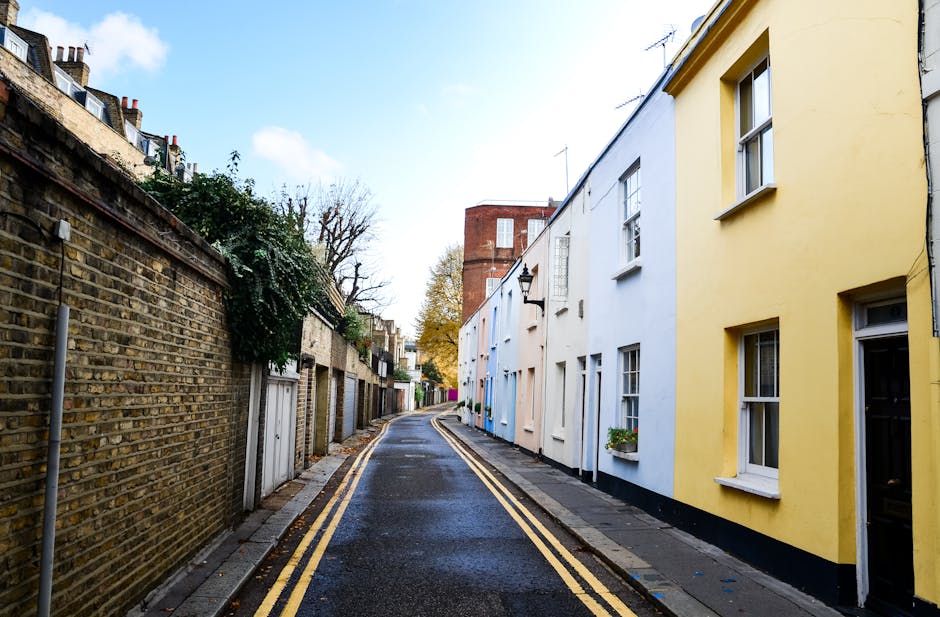
Handling narrow streets near Horniman Museum Forest Hill removals
If you are planning a move around Horniman Museum and the surrounding Forest Hill streets, you already know the awkward bit is not always the packing. It is the access. Tight bends, parked cars, one-way stretches, and that slightly nerve-racking moment when a van looks just a touch too wide for comfort can make a simple move feel much bigger than it should. Handling narrow streets near Horniman Museum Forest Hill removals takes a bit of local know-how, some calm planning, and the right vehicle strategy.
This guide walks you through what actually matters on these streets, how removals are typically managed in a tighter residential pocket, and the practical steps that help you avoid delays, damage, or that last-minute scramble with boxes on the pavement. You will also find a checklist, a comparison table, and a realistic example from a typical Forest Hill move. Let's face it, nobody wants moving day to turn into a three-point turn marathon.
Table of Contents
- Why Handling narrow streets near Horniman Museum Forest Hill removals Matters
- How Handling narrow streets near Horniman Museum Forest Hill removals Works
- Key Benefits and Practical Advantages
- Who This Is For and When It Makes Sense
- Step-by-Step Guidance
- Expert Tips for Better Results
- Common Mistakes to Avoid
- Tools, Resources and Recommendations
- Law, Compliance, Standards, or Best Practice
- Options, Methods, or Comparison Table
- Case Study or Real-World Example
- Practical Checklist
- Conclusion
- Frequently Asked Questions
Why Handling narrow streets near Horniman Museum Forest Hill removals Matters
Horniman Museum sits in a part of Forest Hill where the street layout can feel deceptively straightforward on a map and then, on arrival, rather less so in person. Narrow residential roads, parked vehicles, pinch points, and occasional loading limitations all affect how smoothly a move can happen. Even a competent crew can lose time if the vehicle cannot get close enough to the property.
Why does this matter so much? Because access problems do not just add inconvenience. They can affect loading time, lifting distance, the number of trips required, and the risk of damage to furniture or stairways. If a van has to park further away than expected, a sofa that should have been carried twenty metres suddenly becomes a hundred-metre relay in drizzle. Not ideal. Not fun either.
In practical terms, this is about reducing friction. When access is tight, good removals are no longer just about strength and boxes. They are about timing, positioning, vehicle choice, and sensible planning around the immediate street environment. That is especially true in Forest Hill, where road space can be at a premium during school runs, weekend traffic, or busy daytime periods.
Expert summary: The best narrow-street removals are not the ones that look dramatic; they are the ones where the van arrives, parks sensibly, the route is clear, and the move simply gets done without drama.
How Handling narrow streets near Horniman Museum Forest Hill removals Works
Handling a move in a tight street is usually a sequence of small decisions that add up. First comes access assessment: can a van physically reach the property, turn, stop safely, and unload without blocking traffic or creating risk? Then comes vehicle matching: do you need a standard van, a smaller removal vehicle, or a shuttle approach with two loads? Finally, there is the on-the-day execution, where packing order and carry routes matter just as much as muscle.
A local move near Horniman Museum often works best when the removal team studies the address in advance and thinks about the road as a working space, not just a destination. That means looking at turning space, pavement width, street parking pressure, and whether there is room to open doors fully without catching a wing mirror on a car parked too close. A tiny detail, sure, but tiny details are the ones that decide whether moving day feels controlled or chaotic.
In many cases, crews will use a smaller vehicle or split the job into two stages. That can mean:
- parking as close as safely possible and carrying items a short distance;
- using a more compact van for tighter access roads;
- sending a smaller shuttle vehicle if the larger van cannot fit cleanly;
- planning loading around times when the street is quieter;
- protecting walkways, door frames, and stair edges during repeated carries.
The real trick is matching the method to the street, not forcing the street to fit the method. That distinction sounds simple, but it is where many moves go sideways.
Key Benefits and Practical Advantages
Good planning for narrow-street removals gives you more than just convenience. It can improve safety, reduce time lost to guesswork, and protect your belongings from avoidable knocks. The benefits show up in small ways first: fewer pauses, less backtracking, calmer loading, and less stress when the van arrives.
Here are the main advantages people usually notice:
- Smoother loading and unloading: Less carrying distance means fewer heavy lifts and less chance of dropping items.
- Lower damage risk: Tight routes are manageable when furniture is moved with the right protection and pacing.
- Better time control: Planning for access issues helps keep the schedule realistic.
- Less disruption to neighbours: A tidy, efficient move tends to be less frustrating for everyone on the street.
- More accurate quotes: Access details given early make estimates more reliable.
There is also a less obvious benefit: peace of mind. When the moving team has already thought through the awkward bits, you feel it. You notice it in the tone of the day. Fewer urgent phone calls. Fewer "hang on a minute" moments. More getting on with it.
For local household moves, this often pairs well with other services such as home moves and man and van support, especially where flexibility and shorter carry distances matter.
Who This Is For and When It Makes Sense
This approach makes sense for anyone moving to or from the roads around Horniman Museum where access is awkward or uncertain. That includes renters, homeowners, flat movers, and people relocating a few streets away who still face the same tight access issue. Sometimes the short move is actually the trickiest one, because people assume it will be easy and then do not prepare enough.
You will especially benefit from this kind of planning if:
- your property is on a narrow residential street with limited parking;
- you live close to a bend, junction, or road with frequent parked cars;
- your furniture includes large or awkward items like wardrobes, beds, or pianos;
- you are moving during school-run hours or a busy weekend;
- you need a vehicle that can work around limited loading space;
- you want a less stressful option than trying to manage access issues on the fly.
It also makes sense for small businesses, landlords, and anyone handling a partial clear-out or delivery into the area. A one-off furniture collection, for example, can be just as awkward as a full household move if the access is tight enough.
If you are comparing local support options, it can help to look at the broader range of removal services available rather than assuming one vehicle type fits every street.
Step-by-Step Guidance
Here is a practical way to handle narrow-street removals near Horniman Museum without overcomplicating it. Keep it simple, but be thorough. That balance matters more than people think.
1. Assess the street before moving day
Walk the route from the closest realistic parking point to your front door. Check for parked cars, overhanging branches, lamp posts, railings, and any places where a van might need extra clearance. If you can safely do a quick recce in daylight, do it. You will spot more than you expect.
2. Measure the large items
Measure your sofa, bed frame, mattress, wardrobe, fridge, and any other oversized items. You do not need a tape-measure spreadsheet worthy of a surveyor, but you do need enough detail to avoid surprises. One awkward item can change the entire loading plan.
3. Choose the right vehicle size
For some Forest Hill streets, a smaller van is actually the smarter option. It may require more careful loading, but if it can get closer to the property, the job is often faster overall. Larger is not always better. A big van stuck half a road away is just a big problem.
4. Plan the loading order
Heavy, sturdy items should usually go in first, with fragile or awkward pieces secured after. This becomes even more important if the van must be parked at an angle or moved quickly because of traffic. Good order equals less shuffling later.
5. Protect the property as well as the furniture
Door frames, floors, banisters, and corners are all vulnerable during repeated carries. Use covers, blankets, and sensible lifting technique. The move is not just about the items you own; it is about leaving the old or new home in good shape too.
6. Keep the loading area clear
Boxes, bins, prams, and random bits of clutter create trip hazards in tight access areas. Clear them before the van arrives. One misplaced planter or bike can suddenly become the thing everyone has to step around for twenty minutes. Slightly annoying. Easily avoided.
7. Communicate early with the movers
Tell the team about any restrictions, neighbours' parking patterns, basement steps, narrow hallways, or difficult turn-in points. The earlier they know, the better they can plan. This is where a good removal company earns its keep.
Expert Tips for Better Results
In our experience, the best narrow-street moves are built on small advantages. Nothing flashy. Just steady, practical choices that reduce pressure.
- Book a realistic arrival window: Early morning can be calmer, but only if it does not create problems for you or your neighbours. Midday may be busier on the road.
- Use labelled boxes by room: It saves time if the van has to be loaded in stages. You do not want to be hunting for "kettle and mugs" in a stack of identical cartons.
- Keep one path free inside the home: A single clear route from room to door makes all the difference when space is tight.
- Disassemble big furniture where practical: Flat-pack items, bed frames, and removable shelves can make a tight move far easier.
- Reserve street space if needed, where locally appropriate: If parking is especially limited, discuss options early. The detail matters more than the theory.
A useful rule of thumb: if an item feels awkward inside the house, it will feel even more awkward on a narrow street. So plan for the awkwardness rather than hoping it behaves. It rarely does.
For delicate possessions, it is worth reading about protecting valuables during Forest Hill moves as part of your wider preparation. Small items are easy to underestimate until they need wrapping, carrying, and constant attention.
Common Mistakes to Avoid
Most access problems are not disasters. They are just preventable. And yes, some of them happen because people are in a rush the night before, staring at half-filled boxes at 11:40 pm and telling themselves it will probably be fine. Probably is not a plan.
- Assuming any van will fit: This is one of the biggest mistakes. Street width and turning space matter.
- Ignoring parked cars: A street can look fine at 7 am and completely different by noon.
- Not mentioning stairs or tight entrances: Even if the road access is manageable, the property itself may still slow things down.
- Overpacking boxes: Heavy boxes are harder to carry over a longer distance and increase the risk of injury or breakage.
- Leaving access checks to the moving day itself: That is when stress levels rise and choices become rushed.
- Forgetting local context: Some nearby streets around Horniman Museum can be busier at particular times, so planning around traffic patterns helps.
Truth be told, the best fix is usually simple: share accurate information early. The more open you are about the access, the better the move will be.
Tools, Resources and Recommendations
You do not need specialist equipment for every move, but the right practical kit helps a lot. A few sensible items go a long way.
- Furniture blankets and straps: Useful for protecting larger items in transit.
- Tape, labels, and markers: Helps keep the loading plan under control.
- Floor protection: Worth using if the route includes polished floors, narrow hallways, or awkward turns.
- Basic measuring tape: Handy for checking furniture and access points.
- Sturdy gloves and proper footwear: Small things, but on a wet Forest Hill pavement they matter more than people think.
For service planning and budgeting, the page on pricing and quotes can help you understand what to ask for when access is tight. If your move includes a mix of furniture removal and transport, you may also find man with van removal useful for understanding how a smaller-scale service can be adapted to constrained streets.
If you are dealing with unwanted furniture at the same time, the furniture pick-up service can be relevant too, especially when you need a quick, no-fuss collection from a narrow road.
Law, Compliance, Standards, or Best Practice
For moves near Horniman Museum and across Forest Hill, the main compliance issues tend to be practical rather than dramatic: safe loading, considerate parking, respect for neighbours, and making sure the vehicle is used in a way that does not create unnecessary obstruction. Local parking and access rules can vary, so it is sensible to plan in line with the specific street conditions and any restrictions that may apply.
From a best-practice perspective, a professional mover should think about safety first. That includes keeping walkways as clear as possible, using proper lifting technique, avoiding rushed manoeuvres, and protecting both property and public areas during loading. If a crew is working on a narrow street, the margin for error is smaller, so standards need to be a bit tighter, not looser.
Insurance is another important consideration. If a van has to stop further away or items need to be carried over a longer distance, the risk profile changes slightly. It is sensible to choose a provider that can explain how they handle damage, loading risks, and general transit protection. For a more detailed overview, see insurance and safety and the site's health and safety policy.
When comparing options, do not look only at the headline price. Look at whether the team has experience with tight access, whether they ask the right questions, and whether they seem prepared for the realities of narrow-street work. That is the stuff that really protects the day.
Options, Methods, or Comparison Table
Different access situations call for different approaches. The best method depends on the width of the street, the size of the items, and how far the vehicle can get from the door. Here is a simple comparison to help you think it through.
| Method | Best for | Pros | Trade-offs |
|---|---|---|---|
| Standard removal van | Moderate access streets with decent parking space | Efficient for larger loads; fewer trips | May struggle on tighter turns or narrow parking gaps |
| Smaller van | Very narrow streets or limited turning space | Easier to position; often closer to the property | May require more careful loading or extra trips |
| Shuttle loading | When a larger van cannot safely reach the property | Flexible; can work around awkward access | Takes more coordination and time |
| Man and van support | Smaller moves or mixed transport needs | Good for flexibility and short-notice planning | May not suit large households without careful planning |
For local readers comparing service styles, the related pages on removals and man with van can help you weigh up the right size and approach for a Forest Hill address.
Case Study or Real-World Example
Picture a typical move near the Horniman side of Forest Hill: a two-bedroom flat, a sofa that has seen better days, a bed frame, several packed boxes, and a street where parked cars make the approach look tighter than expected. The movers arrive, do a quick look at the road, and realise the larger vehicle would block too much of the street if it tried to get closer. So they switch to a smaller van, position it with room to spare, and create a clear carry route from the front door to the loading bay.
The result is not magic. It is just good judgement.
Instead of forcing the issue, they remove the fragile pieces first, then the bulkier furniture, then the final boxes. One person manages the door and checks for scuffs. Another keeps an eye on the street space and any passing traffic. The move takes a little longer than a wide-open suburban job, but it stays calm. No awkward reversal panic. No scraped wall. No box teetering on the curb while somebody mutters "this should be fine" through gritted teeth.
That is the real lesson. On narrow streets, the best result often comes from being a touch conservative. Slightly smaller vehicle. Slightly more planning. Slightly earlier start. And, yes, a bit more patience than you thought you would need.
Practical Checklist
Use this checklist before moving day. It is simple, but it catches the things people forget when they are busy.
- Confirm the exact address and any access notes for Horniman Museum area streets.
- Measure large furniture and note especially awkward items.
- Check whether the van can park close enough without causing problems.
- Look for narrow turns, parked cars, and low-hanging obstacles.
- Tell the removal team about stairs, basements, or tight hallways.
- Label boxes by room and keep essentials separate.
- Use blankets, wraps, or covers for delicate furniture.
- Clear the route from inside the property to the door.
- Discuss timing if the road is likely to be busy.
- Ask about insurance, safety handling, and vehicle suitability.
- Keep phone contact available on the day in case plans need a quick adjustment.
If you want a broader planning read, the guide to a stress-free house move is a useful companion piece, especially when you are trying to keep the day steady from start to finish.
Conclusion
Handling narrow streets near Horniman Museum Forest Hill removals is really about turning a potentially awkward access problem into a manageable plan. Once you accept that the street itself is part of the moving puzzle, everything becomes clearer: choose the right vehicle, allow extra time, communicate the access details early, and protect both property and belongings properly.
The moves that go best in this part of Forest Hill are usually the ones that are prepared with care, not the ones that rely on luck. And that is good news, because care is something you can control. Measure the awkward items, think about parking honestly, and do not be shy about asking for a method that suits the road rather than the other way round.
Get a free quote today and see how much you can save.
When the planning is right, even a tight street feels less like a hurdle and more like just another part of the day. And that, honestly, makes all the difference.
Frequently Asked Questions
How do you move house on a narrow street near Horniman Museum?
Start with an access check, choose a van size that can safely reach the property, and plan the carry route before moving day. Good communication with the movers is key.
Do narrow streets in Forest Hill always need a smaller van?
Not always. Some streets can take a standard van if parking and turning space are available. The right size depends on the exact road layout and time of day.
What if the van cannot park outside my home?
If the van cannot park directly outside, the team may use a short carry route, a smaller vehicle, or a shuttle-style approach. The goal is to keep the move safe and efficient.
Should I tell the removal company about Horniman Museum area access issues in advance?
Yes, absolutely. The earlier they know about narrow roads, parked cars, or awkward turning points, the better they can plan the vehicle and timing.
Is parking the main problem on these streets?
Parking is often a big part of it, but not the only part. Turning space, loading room, pedestrians, and the width of the route to the door all matter too.
How far in advance should I plan a narrow-street move?
As soon as you know the moving date, ideally. Early planning gives you more options for vehicle type, time slot, packing order, and any access arrangements.
Can a man and van service work better than a large removal truck?
Often, yes, for tighter streets or smaller loads. A more compact vehicle can be easier to position and may reduce the carry distance.
What items are hardest to move on narrow streets?
Large sofas, wardrobes, mattresses, fridges, and pianos are usually the most awkward. They need more space, more care, and a clearer route than smaller boxes.
How can I reduce the risk of damage during the move?
Use protective wrapping, keep pathways clear, disassemble furniture where possible, and make sure the team knows about tight corners or delicate surfaces.
Do I need to worry about local rules or restrictions?
Yes, it is sensible to check for parking limits, loading restrictions, or access issues that may affect the street on the day. Local conditions can change the plan quite a bit.
Are short-distance moves around Forest Hill easier?
Not always. Short moves can be deceptively tricky if the access is tight. A move across a few streets can still require careful vehicle planning and loading.
What should I ask for in a quote for a narrow street move?
Ask how the team handles access, what vehicle they plan to use, whether extra carry distance is included, and whether there are any likely timing or parking considerations.