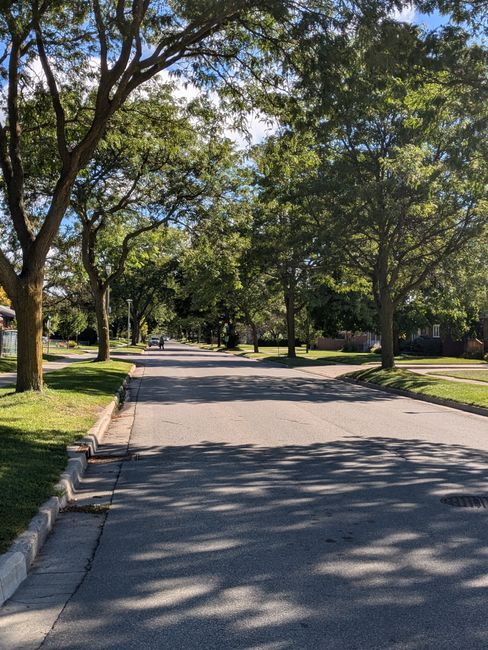
Street Closures, Fines & Moving Rules in Forest Hill

Moving house or relocating a business in Forest Hill can feel straightforward right up until the practical realities kick in: a narrow road, a suspended bay, a short-term street closure, or a driver who cannot quite get the van where it needs to be. That is where understanding Street Closures, Fines & Moving Rules in Forest Hill becomes more than a nice-to-have. It can be the difference between a smooth moving day and a stressful one with delays, parking headaches, or avoidable penalties.
This guide walks you through how local moving rules usually work in practice, what street closures can mean for your schedule, where fines tend to come from, and how to plan properly so the day stays calm. If you are booking a home move, arranging office relocation, or just trying to get a heavy sofa through a busy street without drama, this is the kind of detail that saves time and nerves. And, to be fair, that is what most people want on moving day: fewer surprises.
Why Street Closures, Fines & Moving Rules in Forest Hill Matters
Forest Hill is the kind of place where moving logistics can get complicated faster than you expect. Residential streets may be tight, parking space can disappear in minutes, and local traffic can change quickly if roadworks, events, or utility work are happening nearby. Even if your move is well planned, a single restriction can ripple through the whole day.
The most common issue is simple access. If a van cannot stop close enough to the property, every box, chair, and wardrobe has to be carried further. That sounds minor until you are doing it ten or twenty times. In a small terraced street, or on a road with limited waiting space, a few extra metres can feel like a marathon. Street closures can make that worse by forcing longer walking routes or redirecting vehicles away from the safest loading point.
Then there is the fine risk. Parking on yellow lines, blocking dropped kerbs, stopping in a restricted bay, or ignoring temporary traffic signs can quickly create a costly problem. Nobody wants a moving day to turn into a ticket hunt. Truth be told, that is one of the most frustrating ways to spend your money.
Planning properly matters because it protects three things at once: your budget, your timing, and your energy. Moving is tiring enough without having to argue with a missed access window or move boxes twice because the van had to park down the road. If you are arranging a larger residential move, it is often worth pairing the logistics with a wider service such as home moves, especially when the route, loading point, or timing needs a bit of coordination.
How Street Closures, Fines & Moving Rules in Forest Hill Works
There is no single universal moving rule for every street in Forest Hill. Instead, the practical reality is a combination of local parking controls, temporary restrictions, road layout, and how you manage the vehicle on the day. That is why a move that works perfectly on one street can be awkward on the next.
Street closures usually happen for a reason: roadworks, emergency repairs, filming, major deliveries, or local events. A closure may be full or partial. Sometimes vehicles can pass during certain hours. Sometimes access is restricted to residents only. Sometimes the road is open, but only on foot. That distinction matters a lot when you are booking a van slot and a team of movers.
Fines generally come from ignoring restrictions, not from the move itself. Common triggers include parking where stopping is not allowed, staying longer than permitted in a loading bay, or blocking a route in a way that creates a safety issue. In moving terms, the risk usually comes from assuming "it will probably be fine." That assumption has caused many a bad morning.
Moving rules also include practical expectations about vehicle size, loading times, and safe access. A bigger removal van can be brilliant for efficiency, but only if it can actually reach the property. If the street is narrow or heavily controlled, a smaller vehicle or a split load can sometimes be the smarter option. For some jobs, people choose a flexible man and van setup rather than a larger fixed vehicle, simply because it is easier to manoeuvre and park close by.
One more thing: restrictions can change. Temporary signage, permits, suspended bays, and local works do not always appear with much warning. So even if you know the street well, it is worth checking on the day before and again on the morning itself. A quiet street at 8 pm can look completely different by 8 am. That's London for you.
Key Benefits and Practical Advantages
Getting the moving rules right is not just about avoiding trouble. It also makes the whole job faster, safer, and less expensive in real terms.
- Fewer delays: When access is clear, loading and unloading happens more quickly.
- Lower risk of fines: You reduce the chance of parking tickets and enforcement issues.
- Better safety: Clear access means less carrying through traffic or over awkward distances.
- Less damage risk: Shorter carrying routes reduce the chance of scuffs, knocks, and drops.
- Smoother customer or neighbour relations: A considerate move is less likely to upset residents or block access.
- More accurate scheduling: If the van can park properly, you can plan the timing with much more confidence.
There is also a quieter benefit that people overlook: mental relief. Moving day can be noisy, messy, and oddly emotional. Knowing the street access is sorted means one less thing to keep in your head. You can focus on the important parts, like getting the kettle in the right box and not losing the door keys in the chaos.
If you are comparing move types, this is often where a specialist removal services provider becomes useful. The right setup is not always the biggest vehicle. It is the one that fits the street, the timings, and the load.
Who This Is For and When It Makes Sense
This topic matters to anyone moving in or around Forest Hill, but it is especially important in a few common situations.
- Home movers: If you are moving from a flat, terrace, maisonette, or shared building, parking and access can be tight.
- Renters with time windows: When you have a fixed handover slot, even a small delay can become stressful.
- Families with large furniture: Sofas, beds, wardrobes, and white goods need space and a sensible loading point.
- Office relocations: Businesses often have less tolerance for disruption, and traffic restrictions can affect staff, equipment, and client access.
- Anyone using a larger van: Bigger vehicles need more room to park, turn, and load safely.
- People moving on a busy weekend: Saturdays can be deceptively crowded, especially if other residents are also moving.
If your move involves several items, long carry distances, or a strict schedule, it usually makes sense to think about access before you think about boxes. That may sound backwards, but it is how you avoid the classic "we packed everything, but the van cannot stop outside" headache. Not ideal.
For business customers, services like commercial moves and office removals often need extra planning because staff access, equipment handling, and business continuity matter just as much as transport.
Step-by-Step Guidance
Here is a practical way to handle street closures, fines, and moving rules without overcomplicating the process.
- Check the street layout first. Look at whether the road is narrow, one-way, heavily parked, or difficult to turn in. That first impression usually tells you a lot.
- Identify any loading point. Decide where the van would safely stop, where boxes will be carried from, and whether the route is clear of obstructions.
- Watch for temporary restrictions. Signs for roadworks, suspended bays, event closures, or emergency access changes can appear quickly.
- Match the vehicle to the street. If a large lorry is unnecessary or difficult to place, a smaller moving van may be the better fit.
- Plan the timing carefully. Mid-morning or midday may work better than school-run hours or peak commuter traffic, depending on the road.
- Keep a backup plan. If the first parking option fails, know where else the vehicle can safely wait without creating a problem.
- Brief everyone involved. Movers, family members, and building contacts should all know where to go and what the plan is.
- Leave a little breathing room. A small time buffer protects you if someone is parked badly, the lift is slow, or the road is temporarily blocked.
A simple rule of thumb helps here: if access looks awkward on paper, it will probably feel awkward on the day. Better to solve it early than improvise beside a half-blocked kerb while holding a chest of drawers. Nobody enjoys that scene.
For smaller or more flexible jobs, a man with van arrangement can be a practical fit because it gives you some agility without committing to an oversized vehicle.
Expert Tips for Better Results
These are the little things that often make the biggest difference.
- Visit the street at the same time of day as the move. Morning parking can look very different from late afternoon parking.
- Measure awkward items before moving day. If a sofa or wardrobe needs a wider loading gap, you want to know that before the van arrives.
- Use short carry paths where possible. A clean, direct route saves both time and wear on furniture.
- Tell neighbours politely if a vehicle may briefly occupy space. A quick heads-up can prevent irritation later.
- Keep essentials separate. If there is a delay, you do not want passports, chargers, medication, and keys buried in a van somewhere.
- Ask about insurance and handling. Especially for heavy or fragile items, it is worth understanding how things are covered and moved.
One small but useful habit: take photos of the street setup before the move starts. If a bay is suspended, a sign is confusing, or the road changes during the day, that record can help explain what happened. It is a tiny admin task, but it can save a lot of awkwardness.
If packing is already stretching you thin, you might also consider packing and unpacking services. That is not just a convenience; sometimes it makes the whole moving chain more manageable, especially when time is tight and the street situation is a bit fiddly.
Common Mistakes to Avoid
Most moving-day problems are boringly predictable. Which is annoying, but also good news, because they are preventable.
- Assuming parking will be fine: A space may look available and still be restricted.
- Ignoring temporary signage: A new closure or permit notice can overrule your usual routine.
- Choosing the wrong vehicle size: Bigger is not always better if the street cannot accommodate it.
- Leaving access checks until the last minute: That is how surprise problems become expensive problems.
- Forgetting building rules: Flats and managed properties often have their own moving conditions.
- Blocking drop kerbs or entrances: This can upset neighbours and create enforcement issues fast.
- Underestimating carry time: A few extra metres can turn a quick job into a slow one.
Another subtle mistake is not planning for the human side. The street may be fine, but if you have three people all arriving late and nobody knows which entrance to use, the whole thing becomes muddled. Small confusion, big delay. Happens more often than people admit.
Tools, Resources and Recommendations
You do not need a complicated toolkit to manage moving rules well. A few simple things make the process much easier.
- Printed move plan: Keep the address, access notes, and timing in one place.
- Phone camera: Use it to record signs, road conditions, and the final parking position.
- Tape measure: Helpful for furniture, doorways, stair turns, and lift access.
- Labels and markers: Speeds up unloading when access is already tight and you need to move with purpose.
- Contact details list: Keep numbers for the building contact, mover, and any key helper in one note.
For service selection, think in terms of fit rather than just price. A cheap move that cannot access the street properly is not actually cheap. If you need a broader transport option, a moving van or removal van may be the right middle ground between agility and capacity.
It can also help to review the company's operational policies before booking. Pages such as health and safety policy, insurance and safety, and terms and conditions give you a better feel for how carefully a provider works. That sort of background detail matters more than people think.
Law, Compliance, Standards, or Best Practice
For moving in Forest Hill, the safest approach is to treat street access, parking, and loading as a compliance issue, not just a convenience issue. UK road rules, local parking controls, and temporary restrictions can all affect how you move legally and safely.
Rather than trying to second-guess the exact rule for every street, use this practical principle: if a sign, marking, or restriction suggests you should not stop there, do not stop there. If access looks uncertain, choose a safer alternative and build in a little more time. It is a much better gamble.
Best practice for movers usually includes the following:
- checking the route and street conditions before arrival
- using the right vehicle size for the access available
- keeping loading areas clear and safe
- respecting neighbours, pedestrians, and other road users
- following building-specific moving instructions where relevant
There is also a professional standard side to this. Reliable removal teams are normally expected to plan access carefully, handle items safely, and communicate clearly if restrictions affect the job. That is one reason a well-run removal company can be worth its weight in cardboard boxes when the street is tight and the timetable is unforgiving.
If your move is sensitive, expensive, or time-critical, make sure any quoted plan accounts for access issues up front. It avoids the classic last-minute surprise where everyone suddenly discovers the loading bay is not usable. Not fun, and entirely avoidable.
Options, Methods, or Comparison Table
Different moving setups suit different street conditions. Here is a simple comparison to help you think it through.
| Option | Best for | Strengths | Possible drawbacks |
|---|---|---|---|
| Small van / man and van | Narrow streets, quick moves, lighter loads | More flexible parking, easier access, often simpler to position | May require more trips for larger loads |
| Standard moving van | Typical home moves with moderate access | Good balance of capacity and manoeuvrability | Still needs sensible parking space and planning |
| Larger removal vehicle | Bigger moves or multi-room loads | Fewer trips, better for bulk items | Can struggle on restricted roads or tight turns |
| Split-load approach | Complicated access, time-sensitive moves | Flexible, practical when one vehicle cannot fit everything safely | Requires coordination and clear scheduling |
In a place like Forest Hill, the best option is often the one that reduces friction more than the one that looks impressive on paper. That little distinction saves people a lot of bother.
Case Study or Real-World Example
Imagine a family moving from a first-floor flat near a busy residential road in Forest Hill on a Saturday morning. The original plan is to use a larger van and park close to the entrance. On paper, it looks fine. In reality, the road is already half-full of resident cars, and a temporary parking suspension means the nearest bay cannot be used.
Instead of forcing the issue, the move is adjusted. The vehicle arrives slightly earlier, the loading point is shifted to a safer position, and the team uses a smaller access-friendly vehicle rather than trying to push a larger one into a tight space. Boxes are labelled in advance, heavier items are loaded first, and the carry distance is kept short. The move still takes work, obviously, but it stays controlled. No tickets, no shouting, no last-minute panic. Just a long morning and a decent cup of tea at the end.
What made the difference? Three things: checking access early, choosing the right vehicle, and accepting that the most convenient plan is not always the safest one. That is the real lesson here.
For bigger domestic jobs, especially where timing and access matter, many households find it helpful to compare options such as house removals, house movers, and man with van removal so the setup matches the street rather than fighting it.
Practical Checklist
Use this checklist before moving day. It keeps the boring but important bits in one place.
- Confirm the moving date and time window.
- Check for any street closures, roadworks, or temporary restrictions.
- Look at parking options near both properties.
- Measure entrances, stairs, lifts, and awkward furniture.
- Decide whether the vehicle size is realistic for the street.
- Prepare a backup loading point if the first one is unavailable.
- Tell neighbours or building management where needed.
- Keep key contact numbers handy on the day.
- Label items that need to come off the van first.
- Build in extra time for access problems, because they do happen.
If you are moving a business or combining offices and storage, you may also want to consider office relocation services and related support so the operational side stays neat. A tidy plan is underrated. Really underrated.
Get a free quote today and see how much you can save.
Conclusion
Street closures, fines, and moving rules in Forest Hill are not the glamorous part of moving, but they are often the part that decides whether the day feels manageable or maddening. If you understand the access, respect the restrictions, and choose a vehicle and moving plan that suits the street, you are already ahead of the game.
The best moves are rarely the most dramatic ones. They are the ones that feel organised, calm, and quietly efficient. A bit of foresight goes a long way, especially in a busy London neighbourhood where space is limited and timing matters. Plan for the street you actually have, not the one you wish you had. That is usually where the stress disappears.
Frequently Asked Questions
What should I check first before moving in Forest Hill?
Start with access: street width, parking availability, loading space, and any temporary restrictions. If the van cannot stop safely near the property, everything else becomes harder.
Can street closures affect my moving day?
Yes. A closure can change vehicle access, increase carrying distance, or force a different loading point. Even a partial restriction can alter the whole plan.
What causes moving fines most often?
The usual causes are parking in restricted areas, ignoring temporary signs, staying too long in a loading zone, or blocking access such as a dropped kerb or entrance.
Is a smaller van better for Forest Hill streets?
Often, yes, especially on tight residential roads. A smaller vehicle can be easier to position and may reduce the risk of parking problems, although it might require more than one trip.
Do I need to check the street on the day of the move as well?
Absolutely. Conditions can change quickly because of roadworks, parked vehicles, or temporary restrictions that were not visible the day before.
How much extra time should I allow for access issues?
It depends on the street and the size of the load, but a small buffer is wise. If access is tight, even 15 to 30 minutes can make a difference. Better safe than chasing the clock.
What if the van cannot park directly outside my property?
Then you need a backup plan. That might mean a nearby loading point, a smaller vehicle, or a different arrival time. The goal is safe, legal access rather than forcing the nearest curb space.
Are office moves affected in the same way as home moves?
Yes, and sometimes more so. Offices usually have stricter timing, building access rules, and less tolerance for delay. For that reason, commercial and office moves benefit from careful access planning.
How can I reduce the chance of damage during a difficult move?
Keep carry routes short, protect fragile items, label boxes clearly, and use the right vehicle size. A well-organised move reduces handling and lowers the chance of bumps and scuffs.
Should I choose man and van or a larger removal vehicle?
If the street is tight or access is awkward, a flexible man and van setup can be easier to manage. If you have a larger household load and better access, a bigger van or removal vehicle may be more efficient.
What if I am moving lots of furniture and the street is restrictive?
That is when planning matters most. You may need a different vehicle, more time, or additional help with loading and unloading. It is often better to adapt the plan than to battle the street.
Where can I find more information about booking and service expectations?
It helps to review the company's information pages, including pricing and quotes, about us, and the relevant service pages before you book. That gives you a clearer idea of how the move is handled and what to expect.