Horniman Museum Moves: What To Know in Forest Hill
Posted on 22/05/2026
If you're planning a move near the Horniman Museum, you're probably already thinking about the awkward bits first: narrow Forest Hill streets, parking, stairs, fragile items, and the general chaos that arrives just when you'd rather keep life simple. Fair enough. A move in this part of South London can feel straightforward on paper and then get a bit fiddly in real life.
This guide to Horniman Museum moves in Forest Hill breaks down what matters most, from access and timing to packing, van choice, and how to avoid last-minute stress. Whether you're moving a flat nearby, relocating a family home, or just trying to get a sofa out of a tight corner without scratching the wall, the aim here is practical clarity. You'll also find useful internal resources for packing, lifting, storage, and local removals support throughout the article.
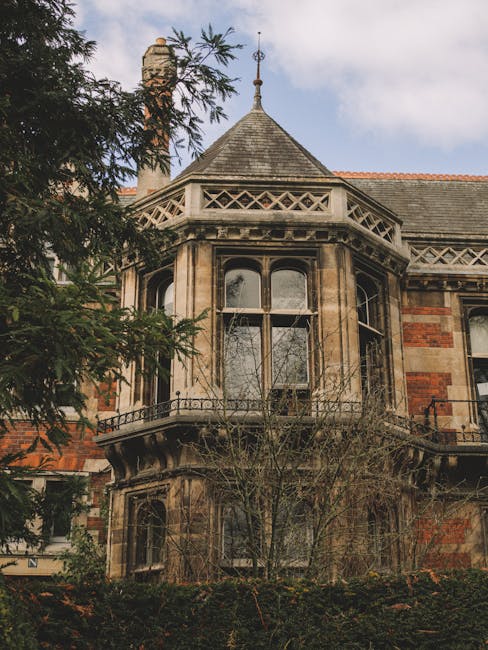
Why Horniman Museum Moves: What To Know in Forest Hill Matters
The Horniman Museum is one of Forest Hill's best-known landmarks, which means the surrounding area gets a mix of visitors, local traffic, delivery vehicles, and everyday residential movement. If your move is happening nearby, the location itself can shape the whole day. A move that looks "close enough" on a map may still be slowed by parking pressure, busier roads, or access limitations around the museum and the streets leading to it.
That's why local knowledge matters. Moving within Forest Hill is not just about lifting boxes. It's about planning the route, knowing where a van can reasonably stop, understanding the building type you're moving from or into, and making sure awkward items are handled safely. A second-floor flat with a tight stairwell is a very different job from a ground-floor house move, and the difference can be the one thing that decides whether the day feels smooth or slightly bonkers.
For people living close to the museum, a good plan also protects the things you care about. One cracked lamp, one damaged door frame, one missed time slot with a lift or parking space, and suddenly the whole move becomes more expensive and more tiring than it needed to be. To be fair, that's exactly where a little preparation pays off.
If you're building a move around local support, it can help to read more broadly about removals in Forest Hill and the wider range of moving services available locally. Both give a better picture of what can be arranged and how different move types fit together.
How Horniman Museum Moves: What To Know in Forest Hill Works
There isn't a special "museum move" process as such. The phrase usually refers to moving properties near the Horniman Museum, or moving belongings around Forest Hill with the museum area as the local reference point. In practical terms, the process works in a fairly familiar way, but local conditions can make each stage more sensitive.
It typically starts with assessing what needs moving. Are you taking a few boxes and furniture pieces, or a full household? Are there delicate items, awkward furniture, or anything that needs dismantling? Once that's clear, the next step is planning access. That means checking stairs, lifts, parking, kerb space, and whether the van can stop close enough for loading without causing problems.
Then comes packing and protection. Good packing is not glamorous, but it saves a lot of grief. Fragile items should be wrapped properly, furniture should be protected from scuffs, and anything heavy should be loaded with an eye on balance. If you want a deeper walkthrough, the guide on packing for a big move is a useful companion read.
Finally, there's the move itself: loading, transport, and unloading in the right order. A local move near the Horniman Museum may be short-distance, but don't let that fool you. Short moves can still be awkward if parking is tight or if the property layout forces repeated trips. Sometimes the "quick job" ends up taking longer than the cross-town one. Happens all the time.
For larger furniture, it's worth looking at dedicated help such as furniture removals in Forest Hill, especially if you've got bulky wardrobes, sideboards, or dining tables that don't appreciate being carried down stairs by amateur optimism.
Key Benefits and Practical Advantages
Planning a move near the Horniman Museum with a proper local strategy gives you a few very real benefits. First, it reduces stress. That sounds obvious, but the difference between a rushed move and an organised one is massive. You're less likely to forget essentials, damage items, or have to make expensive last-minute decisions.
Second, it saves time. A properly planned route, sensible packing order, and the right van size can cut out a surprising amount of waiting around. If you've ever stood on a pavement at 8:00 a.m. wondering where to put three wardrobes and a cat carrier while a van blocks half the road, you'll know why this matters.
Third, it improves safety. Handling heavy or awkward items without a plan can cause back strain, dropped items, or damage to shared spaces. That's why advice on safe lifting technique and insurance and safety can be genuinely useful rather than just "nice to have".
There's also the advantage of flexibility. If you're moving from a flat, student accommodation, or a smaller property, you may not need a huge removal lorry. A smaller, more agile option may fit the job better, which is exactly why local services like man and van support in Forest Hill or a removal van hire option can be so practical.
| Benefit | Why it helps near the Horniman Museum | Real-world impact |
|---|---|---|
| Better access planning | Local streets and parking can be awkward | Fewer delays and less van repositioning |
| Right-size vehicle choice | Not every move needs a large lorry | Lower cost and easier manoeuvring |
| Safer handling | Stairs, corners, and heavy furniture are common | Reduced risk of injury or damage |
| Clearer scheduling | Local traffic and building access can affect timings | Less waiting, fewer surprises |
Who This Is For and When It Makes Sense
This kind of local moving guidance is useful for a fairly wide range of people. If you're moving into a flat near the museum, for example, you'll want to think carefully about stair access, tight hallways, and whether your furniture actually fits through the front door. It's amazing how often people measure the sofa and then forget the landing exists. It happens.
It also makes sense for families moving within Forest Hill who want the day to run without a lot of fuss. If you've got children, pets, or only a small window to move, the value of a reliable plan jumps up quickly. The same goes for students. Student moves can be smaller in volume, but they're often time-sensitive, budget-conscious, and full of mismatched bags, boxes, and half-assembled shelving.
For business owners or small offices near the Horniman Museum, a carefully planned move matters for continuity. You may need to shift desks, files, IT equipment, or stock with minimal downtime. If that sounds familiar, it may be worth reviewing office removals in Forest Hill and comparing it with the broader removal services available in the area.
This also makes sense if you're not doing a full relocation but need help with one tricky item or a small load. Truth be told, not every move needs a full-scale operation. Sometimes you just need the right van, the right hands, and a plan that doesn't collapse by lunchtime.
Step-by-Step Guidance
1. Start with a clear inventory
Write down what's moving. Not just "kitchen stuff" or "bedroom". Be specific enough to spot problems early: mirrors, lamps, mattresses, bikes, large plants, fragile ornaments, and anything awkwardly shaped. This is where decluttering helps too. If something hasn't been used in ages, ask whether it deserves a place in the van. A smart pre-move sort can save money and hassle, and the article on decluttering before a big move gives a solid framework.
2. Check access at both properties
Measure doorways, lifts, stair widths, and tight corners. Check whether your building has any moving rules. If there's no lift or the lift is tiny, note it early. These details shape how many people are needed and how long loading will take.
3. Plan parking and loading space
Near the Horniman Museum, you want to think about where a van can stop safely and legally. The closer the vehicle can get to the entrance, the less carrying you'll need to do. But don't assume street space will be free on the day. A quick look at the road layout the day before can save a lot of parking drama.
4. Pack by room and by priority
Label boxes clearly and keep essentials separate. Put kettle, chargers, toiletries, documents, and a change of clothes somewhere easy to reach. A move day is not the day to go hunting for your toothbrush in box number 14. If you want practical packing advice, take a look at packing and boxes in Forest Hill and the related packing guide linked above.
5. Protect fragile and bulky items properly
Wrap glass, remove loose parts, and secure drawers or doors. For awkward furniture, use blankets, straps, and proper lifting technique. If you're moving a sofa, mattress, or bed, there are specialist tips worth reading, including sofa protection advice and how to move a bed and mattress safely.
6. Decide what needs professional help
Some items are easy to underestimate. Pianos are the classic example, but large wardrobes and heavy sideboards can also be more difficult than they first look. If there's any doubt, use specialist help rather than brute force. For those heavier items, the page on piano removals in Forest Hill is a good example of why expert handling matters.
7. Build a realistic schedule
Set out the day with breathing room. Allow for parking delays, extra wrapping, and the weird little surprises that always appear on moving day. Someone will need a screwdriver. Someone will forget tape. It's almost tradition.
8. Finish with a proper clean
Once everything is out, do a final clean if you're moving out. That includes skirting boards, cupboards, and the bits nobody sees until the space is empty. A neat handover always feels better. The guide on cleaning before moving out is a very handy reference here.
Expert Tips for Better Results
Tip 1: Use the first hour wisely. The opening stretch of the move usually decides the mood of the day. Start with the bulkiest items, not the tiny boxes that can be squeezed in later. Once the big pieces are in, everything else becomes easier.
Tip 2: Keep a "do not load last" pile. Put keys, documents, medication, chargers, valuables, and a basic toolkit somewhere separate. You'd be surprised how often the most important items accidentally get loaded too early.
Tip 3: Think in terms of carrying distance. A short-distance move near the Horniman Museum can still be physically demanding if the van has to park farther away than expected. Every extra trip adds up.
Tip 4: Don't overpack boxes. A box full of books is fine until it rips at the bottom and leaves you staring at the pavement in silence. Keep weight sensible and mix heavier items with lighter ones only when appropriate.
Tip 5: Use storage if timing is messy. If completion dates, landlord handovers, or decorating schedules don't line up neatly, storage can make life much easier. It gives you room to move at a calmer pace. If that sounds useful, see storage options in Forest Hill.
A small real-world observation: people often focus on the moving van and forget the home reset. A bit of planning for the next 24 hours can matter just as much as the move itself. Where will the bedding go? Which box has the toaster? Where is the phone charger? These tiny questions become the big ones when you're standing in an empty kitchen at 7 p.m.
![The image depicts a historic church building with Gothic architectural features, including pointed arched windows and a large circular stained glass window at the center of the facade. The building is constructed from red and gray brickwork, with a steeply pitched roof covered in red tiles. The entrance is situated at the front, featuring a rounded arch doorway framed by decorative brickwork, with a short paved pathway leading up to it. Flanking the church are leafless trees, suggesting a late autumn or winter season. The church is positioned on a paved street, with a black metal fence enclosing a small, well-maintained garden area in front of it. The scene is captured during daylight with clear blue skies overhead. The photograph is relevant to house removals and moving services by illustrating a typical landmark setting in Forest Hill, where professional furniture transport and packing services by [COMPANY_NAME] could be required for relocating or moving within or nearby this area.](/pub/blogphoto/horniman-museum-moves-what-to-know-in-forest-hill2.jpg)
Common Mistakes to Avoid
One of the most common mistakes is underestimating access. A move can look simple if you only picture the house and not the route in between. If the van can't get close, everything takes longer and feels harder.
Another mistake is leaving packing too late. Rushing creates weak boxes, poor labelling, and a much higher chance of breakage. Even if you're an organised person, moving day pressure can scramble things fast. It's not your fault. It just happens.
People also make the mistake of choosing the wrong transport size. Too small, and you end up doing multiple trips. Too large, and you may pay for space you didn't need. Choosing sensibly is part of the value of local expertise, and if you're comparing options, the page on removal companies in Forest Hill can help you think through the service level you actually need.
Other mistakes to avoid:
- Not checking lift access or stair dimensions in advance
- Forgetting to protect corners, glass, and polished surfaces
- Mixing essentials in with general boxes
- Assuming heavy items can be shifted by one person safely
- Ignoring the weather, especially if rain could make loading slower
- Leaving charity, recycling, or disposal decisions until the last minute
If you do need to dispose of items responsibly, it helps to plan for reuse and recycling rather than dumping decisions on the move day itself. A local approach to recycling and sustainability can make the process cleaner and less wasteful.
Tools, Resources and Recommendations
You do not need a mountain of specialist kit to move well, but the right basics make a huge difference. A sturdy supply of boxes, tape, labels, furniture covers, and protective wrap usually covers most situations. For homes with lots of breakables, more padding is better than less. Nobody has ever said, "I really wish I'd used thinner wrapping paper."
Recommended essentials include:
- Strong double-walled boxes for heavier items
- Packing tape and a tape dispenser
- Marker pens for clear labelling
- Bubble wrap or paper for fragile items
- Blankets or covers for furniture protection
- Ratchet straps or securing straps where appropriate
- Basic tools for dismantling beds, shelving, or tables
If you want to avoid hunting around several shops, packing supplies in Forest Hill can be a useful starting point. For heavier lifting, read up on solo heavy lifting techniques only if you're genuinely comfortable and the item is suitable. Some loads are simply not worth trying alone.
For situations where timing is tight, the local option of same-day removals in Forest Hill may also be worth considering. Not every move needs it, but when it does, it can be a lifesaver.
Law, Compliance, Standards, or Best Practice
For a local move in Forest Hill, the main compliance concerns are usually practical rather than complex. You need to make sure parking is sensible, access is safe, and moving activity does not create unnecessary risk for pedestrians, neighbours, or building users. If your road or building has restrictions, follow them. That part is simple enough, even if it feels inconvenient on the day.
Good practice also means working with a company that takes safety seriously. That includes proper lifting methods, secure loading, basic vehicle maintenance, and respectful behaviour around shared spaces. It's worth checking a provider's approach to health and safety as well as their accessibility commitments if you or anyone in the household has mobility considerations.
Insurance is another sensible part of the conversation. Accidents are rare when people are careful, but rare is not the same as impossible. Read the details, ask questions, and make sure you understand what is covered before moving day. The page on insurance and safety is the right place to start.
If you're comparing providers, also look at the basics of communication and terms. Transparent pricing, written quotes, and clear conditions help avoid arguments later. The practical pages on pricing and quotes and terms and conditions are worth reviewing before you book.
Options, Methods, or Comparison Table
There are a few different ways to handle a move near the Horniman Museum. The best one depends on volume, access, timing, and how much lifting you want to do yourself.
| Option | Best for | Pros | Trade-offs |
|---|---|---|---|
| Man and van | Small to medium moves, flexible timing | Cost-effective, nimble, good for local access | May need more owner involvement with packing or loading |
| Full house removals | Larger homes or fuller relocations | More support, better for multiple rooms and bulky items | Usually higher cost and more planning |
| Flat removals | Apartments, maisonettes, staircase-heavy buildings | Useful for tighter access and smaller volumes | Can still be tricky if parking or stairs are awkward |
| Student removals | Smaller loads, quick turnarounds | Simple, fast, budget-friendly | Less suited to large or heavy furniture |
| Storage plus move | Gap between move-out and move-in dates | Reduces deadline pressure, gives flexibility | Extra coordination needed |
If you are moving from a flat near the museum, flat removals in Forest Hill may fit better than a bigger-scale package. For students or short stays, student removals in Forest Hill can be the cleaner match. Simple enough, really.
Case Study or Real-World Example
Here's a typical Forest Hill scenario. A couple is moving from a top-floor flat a short walk from the Horniman Museum to a house a few streets away. On paper, that looks like an easy local move. In reality, they've got a stair-only building, a narrow hallway, a sofa that barely made it into the flat in the first place, and a move-out deadline that leaves very little room for delays.
They start by decluttering a week ahead of time, which makes a bigger difference than they expected. One broken chair goes to recycling, two boxes of duplicate kitchen items are removed, and the amount of packing needed drops straight away. They also dismantle the bed in advance and group all screws and fittings into labelled bags. That tiny detail saves about twenty minutes on the day. Not dramatic, but useful.
On move day, the van is booked with access in mind rather than just "the biggest van available". Because the route and parking have been thought through, loading runs smoothly. The sofa still needs a careful turn at the front door, naturally, because nothing is ever completely simple, but the move stays calm and no one ends the day nursing a strained back.
The biggest lesson from this kind of example is that local moves succeed when small details are treated seriously. Good packing, realistic scheduling, and the right vehicle matter more than most people expect. If there's one thing that keeps a move from turning into a scramble, it's preparation. The boring stuff. Always the boring stuff.
Practical Checklist
Use this simple checklist if you're preparing a move near the Horniman Museum.
- Confirm your move date and access times
- Measure doorways, stairs, and any lift space
- Check parking and van stopping options near both addresses
- Declutter before you pack
- Book boxes, tape, wrap, and labels early
- Pack fragile items with extra protection
- Keep essentials separate and easy to reach
- Dismantle beds or bulky items where sensible
- Decide whether storage is needed between addresses
- Review insurance, terms, and payment details before booking
- Set aside time for final cleaning and meter readings
- Take photos of valuable items before they're moved
A final tip: if you're moving appliances, plan them early. For example, if a freezer or fridge is involved, make sure you understand defrosting and preparation in advance. The article on preparing a freezer for storage is a sensible reference if appliances are part of your move.
Conclusion
Horniman Museum moves in Forest Hill are usually less about distance and more about detail. Access, parking, packing, timing, and the shape of the property all matter. Once those pieces are handled properly, the move becomes much easier to live through. And let's face it, that's the real goal: a move that doesn't eat your whole day and your whole patience.
Whether you're relocating a flat, moving a family home, or just shifting a few valuable pieces nearby, the smartest approach is the one that matches the local area and your actual needs. Keep the plan simple, leave yourself some breathing room, and don't be afraid to get help with the heavy or awkward bits. That's not overdoing it. That's just being sensible.
Get a free quote today and see how much you can save.
If you want a trusted local team behind you, start by exploring the full range of Forest Hill removal services and build the move around what really fits your situation.